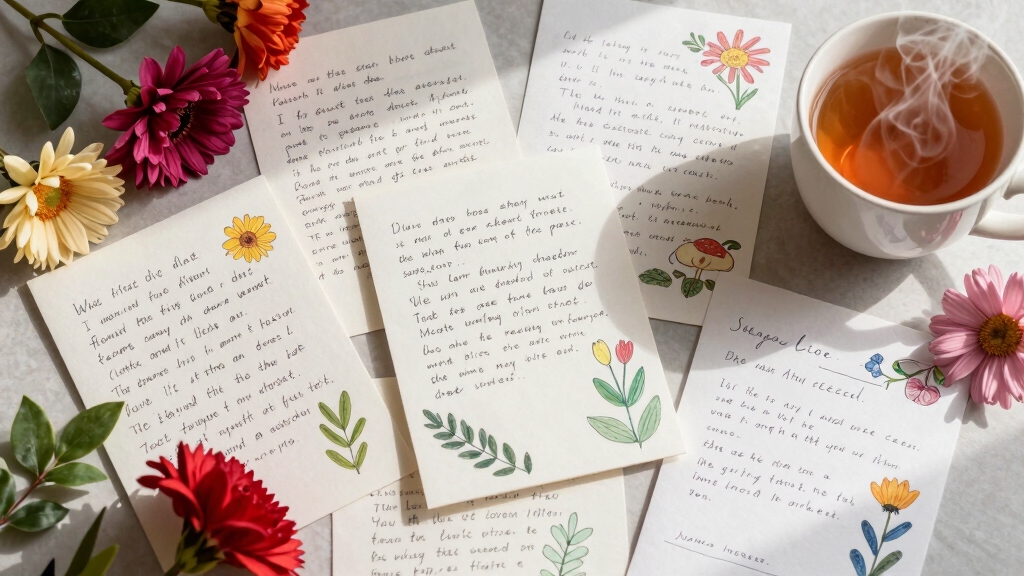
Short vs long good morning messages come down to speed, intimacy, and context. If you want a quick, cheerful nudge, a short message works best; it’s steady and low-pressure.
If you’re aiming to deepen connection, a longer note with plans, appreciation, and calm details can linger in their mind and set a thoughtful tone for the day.
Balance matters—start with a brief hello, then add a www.infopost.in bit more if you sense openness. If you keep going, you’ll uncover more nuances.
Explore timely updates and insights on tech and business at infopost.in.
Brief Overview
- Short messages suit new or busy relationships by delivering a warm greeting without pressure. Long messages fit deeper connections, offering reassurance, plans, and emotional notes. Use brevity for quick check-ins; longer notes for daily rituals and meaningful updates. Tailor length to intimacy, distance, and recipient’s preference to avoid overwhelm. Balance clarity and warmth in either length to invite dialogue and maintain trust.
Decide Your Morning Message Length: Short or Long?
Choosing between a short or long morning message hinges on your purpose and audience. You decide based on context and safety. If you’re aiming to reassure, keep it concise and clear, avoiding personal details that aren’t necessary. A short message reduces misinterpretation and respects boundaries. If you need to convey a plan or reminder, a longer note can structure steps and timelines, but stay direct and focused. Consider the recipient’s preferences and potential stressors; write in a calm, steady tone to prevent alarm. Use simple sentences, concrete facts, and supportive language. End with a practical call to action or a friendly check-in. Always review for tone, accuracy, and harm-free content before sending. Your choice protects both clarity and safety.
Quick Texts in the Right Moments: When They Fit Best
There are moments when a quick text is exactly what you need: a brief check-in, a prompt, or a gentle nudge that keeps plans on track without overloading the recipient. Quick texts work best when timing is precise and intent is clear. You’ll send them at appropriate moments: when a reminder helps, when a hello is welcome, or when a safety check is prudent. Keep it simple: one purpose, one message. Use direct language, avoid judgment, and respect boundaries. If you’re unsure, pause and ask a neutral question that invites a reply without pressure. These texts should feel considerate, not invasive, so you preserve trust. Remember, speed isn’t the point—reassurance and reliability are. Tailor the tone to your relationship, and stay consistent.
The Power of Longer Morning Messages: When They Lingeren
Longer morning messages have staying power because they set a tone for the day and give you room to convey warmth, specifics, and intention. When you write more, you can acknowledge shared plans, acknowledge emotions, and offer practical support without feeling rushed. You’ll give your partner time to feel seen and cared for, which strengthens trust over time. Be concrete instead of vague: mention a upcoming coffee ritual, a reminder of teamwork, or a small promise you’ll keep. Balance depth with clarity so your message isn’t overwhelming. Use a calm, respectful voice that invites dialogue, not pressure. If you’re uncertain, ask a simple, open question to invite response. Consistency matters more than length, and safety remains the priority.
Tone, Context, and Delivery: How to Speak Your Mood
Tone, context, and delivery shape how your mood lands in a morning message. You’re guiding the tone you set, so choose words that reflect honesty without pressure. If you feel surprised, acknowledge it gently; if you’re hopeful, share a simple spark of that optimism. Context matters: your reader’s morning, workload, and space for connection all influence reception. Delivery matters too—short, warm phrases land more clearly than long, tangled sentences. Use active voice to show intent: I hope you have a good day. Avoid sarcasm or bluntness that could feel harsh. Prioritize safety by keeping boundary checks and consent in mind: respect boundaries, invite reply, and never pressure a reply. Clarity, kindness, and consistency help your mood land with care.
3 Criteria to Choose Length: Speed, Intimacy, Distance
Choosing the length of your good morning message depends on three practical factors: speed, intimacy, and distance. You’ll decide quickly when you’re short on time, opting for a brief line that still feels warm. If you want more connection, you can extend gently, adding a personal detail or shared memory to increase intimacy without oversharing. Distance matters too: in a long-distance situation, you might lean toward a slightly longer note to convey care and reassurance, while nearby partners may appreciate concise, supportive messages that respect schedules. Safety-focused communication means avoiding pressure, sarcasm, or assumptions. Test the tone: does it invite a reply without demanding one? Align length with your intent, responsiveness, and the context, then keep it respectful and clear.
Short Morning Texts That Spark: Quick-Win Examples
Want a morning message that delivers a quick win? You can send short texts that spark connection without pressure. Start with a warm greeting, then share one bright note about today’s plans or something you appreciate about them. Keep it simple: “Good morning — hope your day starts easy.” Short questions help engagement without demanding effort: “What’s one small win you’re aiming for today?” Use positive framing and gentle prompts to invite response, not obligation. Add a tiny, reassuring line to reinforce safety: “I’m rooting for you.” If you include a compliment, keep it specific and kind, not loud or conditional. End with a shared cue or a light humor touch to ease tension. Remember: brevity respects boundaries while still showing care.
Long Morning Messages That Linger: Thoughtful Examples
Long morning messages can set a thoughtful tone for the day, choosing words that linger without feeling heavy. You share calm encouragement, offering clear appreciation and a gentle roadmap for the hours ahead. Keep sentences concrete: acknowledge effort, invite connection, and name a small next step you’ll take together. You might compliment a recent moment you treasured, then pose a simple question that invites dialogue, avoiding broad promises. Use present tense to convey immediacy, and opt for specific imagery instead of vague sentiment. Balance warmth with boundaries: express care without pressure, and affirm feelings without overwhelming expectations. Close with a practical note—a time you’ll reconnect or a text you’ll send—so the message remains uplifting, safe, and easy to respond to.
Adapting Your Morning Style Over Time
As you evolve, your morning style should bend with your rhythms, not force you into a fixed mold. Over time, check in with yourself about what feels uplifting, not stressful. You’ll notice preferences shift—short messages might feel easy on busy days, while longer notes can express deeper care when you’re settled. Adapt by mixing tones: friendly, supportive, and clear. Keep safety at the center by avoiding assumptions, unsolicited advice, or pressure to respond immediately. Use inclusive language and respect boundaries; ask for consent to share plans or feelings. Document small experiments, then reflect on what lands best with your partner. Consistency matters, but flexibility matters more. Build a rhythm that protects well‑being while strengthening connection.
Frequently Asked Questions
How Do You Know Your Partner’s Preferred Message Length?
You can ask them directly about preferred length, observe their reactions to different messages, and notice if they pause for a longer reply or smile at a short note. Communicate openly, respect boundaries, and adjust accordingly.
Can Length Affect Relationship Dynamics or Expectations?
Length can shape expectations: too frequent or too terse messages may feel distant, while balanced, thoughtful notes foster connection. You’ll notice pace, consistency, and comfort matter; adjust length to support trust, safety, and mutual emotional needs in your relationship.
Should Messages Match Partner’s Morning Routine or Timezone?
Yes, you should match your messages to your partner’s routine and timezone. Do what’s considerate, check in respectfully, and avoid pressuring them. Sync timing, celebrate small moments, and maintain boundaries for healthier communication overall.
How Often Is Too Often for Morning Texts?
Too often is every morning if it feels clingy; aim for a balance that respects boundaries, like daily texts every morning for a week, then gauge comfort and adjust to your partner’s pace and signals. Open dialogue helps.
What if Timing Is Unpredictable or Long-Distance?
If timing is unpredictable or long-distance, you coordinate flexible check-ins, set agreed windows, and share brief, honest updates. You prioritize consent, safety, and boundaries, keeping messages supportive, encouraging, and non-intrusive while staying emotionally connected across distances.
Summarizing
You’ll discover what your relationship needs by testing short and long messages, reading the moment, and staying true to your tone. Short texts spark quick connection when speed matters; longer messages deepen intimacy when you want to linger. Track how your partner responds and adapt over time, honoring context, distance, and mood. With flexible messaging, you’ll balance warmth and clarity, delivering exactly what the moment calls for while strengthening your connection. Keep it honest, consistent, and kind. Dive into the blog for practical tips, trends, and step-by-step guidance you can use today.